
Traditional or composite team photos: choosing a style
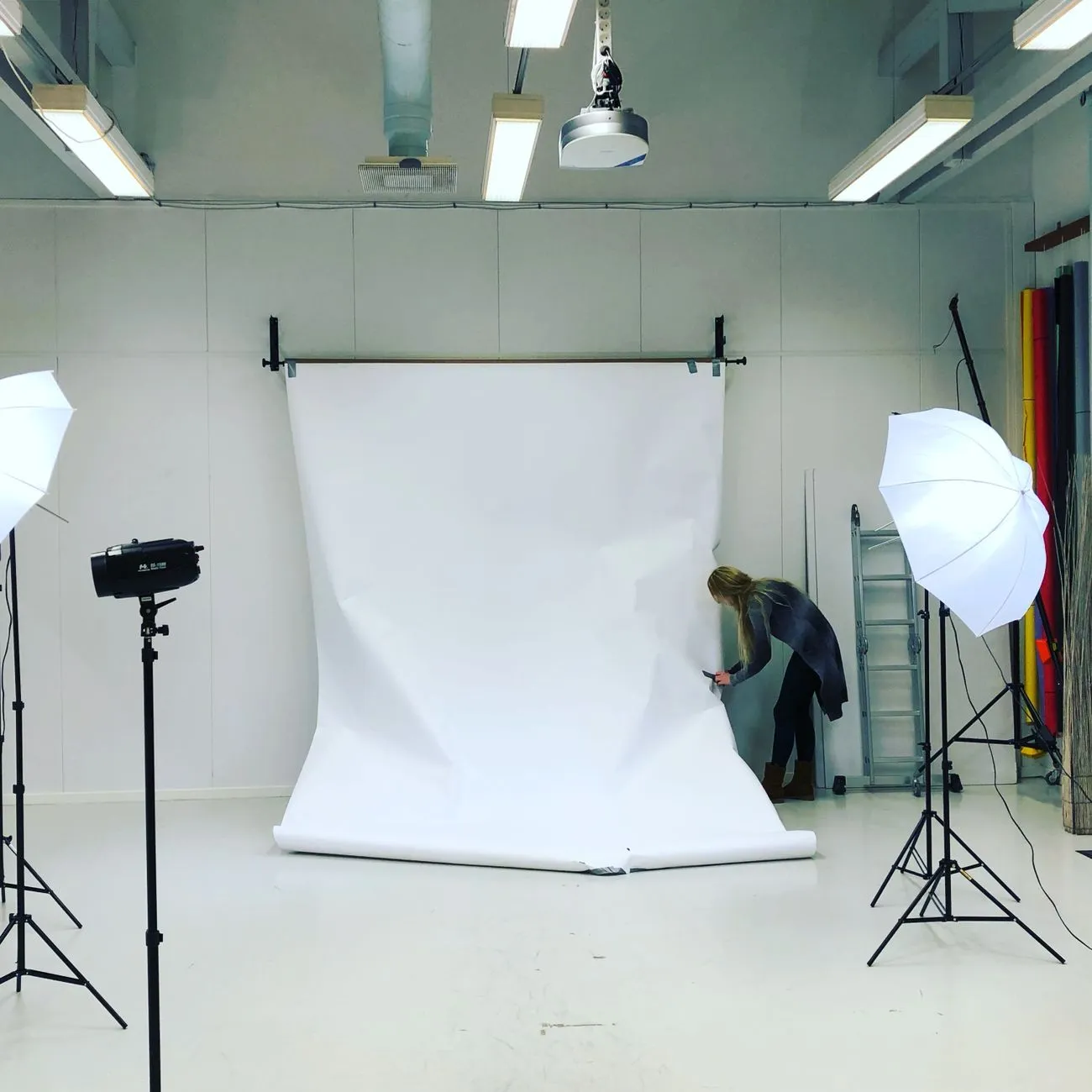
Traditional team photos bring the group together in one photograph. Composite team photos combine separate player portraits into a designed team layout. Both can record a season well, but they create different attendance, approval and presentation requirements. Choose the approach with your photographer before booking the session rather than expecting one format to behave like the other.
There is no single best choice for every club. Think about how the image will be used, whether players can attend together, the look your families prefer and what the studio actually offers. A team group and individual portraits may also be separate products with different permissions and prices.
What a traditional team photo records
In a traditional group photograph, the players and included officials gather at the agreed place. Their actual positions, kit and attendance become part of the scene. The photographer arranges the group and takes the image, then the chosen design may add the club name, year and approved names.
For this service, the group is staged together at the agreed photo-day venue with the planned backdrop. It also means the people needed for that scene must be available at the same time. Late arrivals, missing uniforms and shared coaches can affect the session. Plan those practical details before families receive the timetable.
Do not assume that someone absent can simply be inserted afterwards. Whether an alteration is possible or appropriate depends on the image, the agreed service and the club’s approval. An honest season record should not leave families confused about what was photographed together.
How composite team photos differ
A composite uses separate photographs as the elements of a designed group. The studio may arrange individual players against a consistent background and add agreed team information. The finished result is a created layout, not evidence that everybody stood together in that scene.
Individual capture can offer different scheduling options, but matching appearance still matters. Lighting, pose, clothing, scale and image quality affect whether the layout is consistent. A later portrait taken in very different conditions may not fit the design. Ask the photographer what the actual capture process requires.
Some studios specialise in composites; others concentrate on traditional groups. Platform capabilities do not mean every style is included in a particular club package. Request a clear description or an authorised example from the photographer rather than treating an illustrative stock picture as a sample of their work.
Compare attendance and timetable needs
For a traditional group, identify one assembly time and check shared players or officials before assigning slots. Keep the next team ready without crowding the photography space. The manager should know who is present and when to tell the coordinator about someone missing.
For a composite, ask how individual portraits are linked to the right team and checked. Confirm whether all players still attend a team block or whether another arrangement has been agreed. A composite does not remove the need for an accurate roster or a responsible adult handoff.
An illustrative comparison is a club with two squads sharing several players. A traditional approach needs those people at both group times. A composite might use the approved portraits in each appropriate team layout if the studio offers that service. The photographer still needs correct membership and permission information for both.
Review names and layout separately
Sports team group photos often include team names, officials and a season label. Agree who approves those details. In a traditional design, names may follow the visible rows. In a composite, the arrangement and name labels may follow the individual elements instead. Use the actual proof to check the relationship.
Look for repeated or missing people, incorrect team assignments, spelling, role titles and the year. Where names are displayed, check that the chosen presentation matches the permissions and the club’s policy. Do not put private operational notes or unnecessary identifiers into the finished artwork.
Keep one written approval from the authorised club contact. If several managers provide corrections, consolidate them before returning the response to the studio. Conflicting messages can delay a design or cause an earlier error to be restored accidentally.
Think about the finished product
A wide team image and a single player portrait have different shapes. Ask how the design will fit the available print or digital product, whether names remain readable and whether any crop changes the composition. A small keepsake may not show a long name row as clearly as a larger print.
Check the actual catalogue for your club. Digital availability, print sizes and permission to use an image in club promotion should be confirmed rather than inferred from the fact that a preview appears online. Copyright, family use and public sharing are different questions.
Club Photo Day uses FotoPal Sports for online family ordering after quality checks. The intended “Shoot today. Order tomorrow online with the app” journey concerns gallery ordering. It does not guarantee every possible layout or next-day printed delivery.
Questions to settle before the booking
Confirm the capture style, attendance plan, approach to absences, naming approver, included designs and available family products. Ask how corrections work and what any extra session or editing would cost. Put those decisions into the agreed scope so volunteers can explain the same process to families.
Explore team photography or enquire about your club photo day. Tell our team whether your priority is a traditional group, individual player portraits or a composite option to discuss.