
Basketball team photos: kit and portrait-day planning
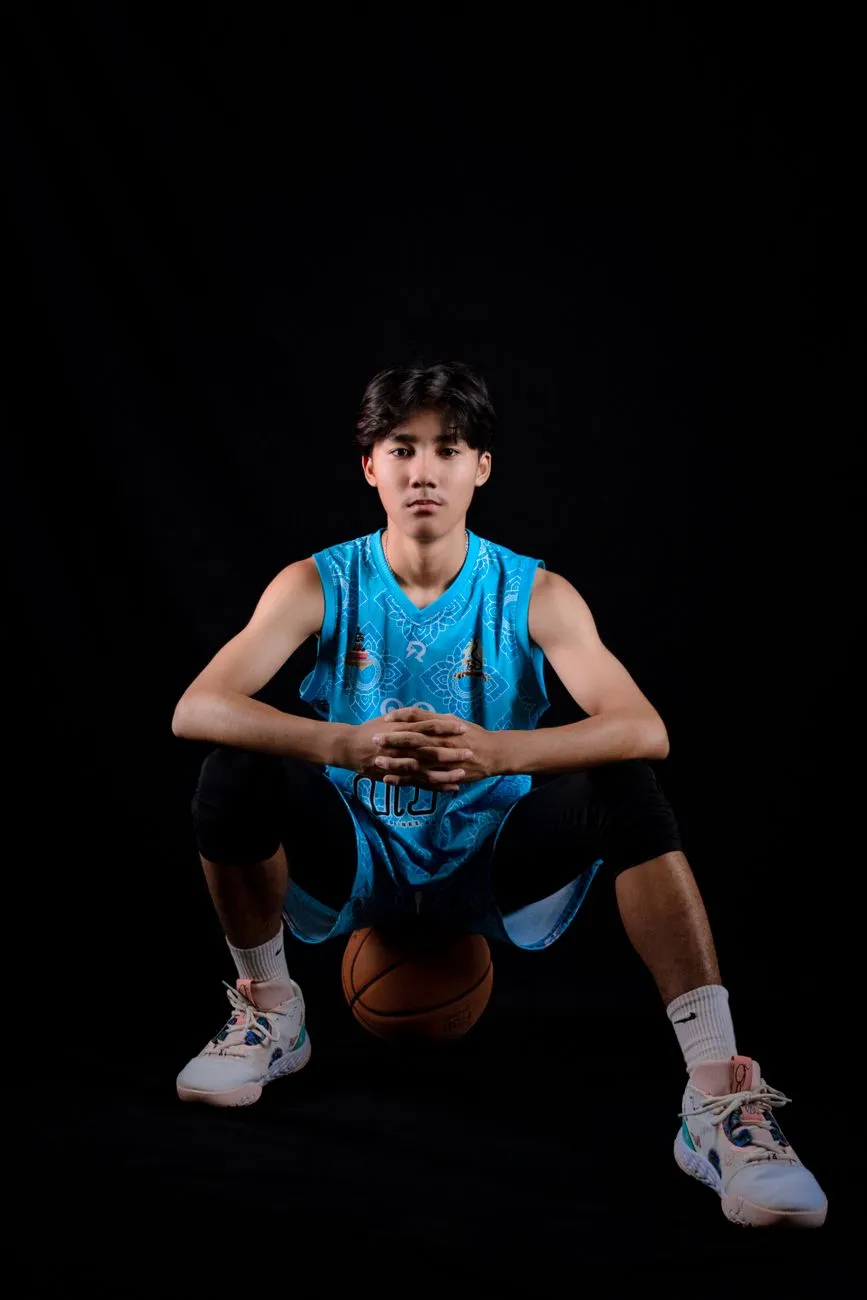
Basketball team photos are official, staged team and player portraits at one photo-day venue. A basketball court is not required for the photograph: the agreed backdrop and background-removal workflow provide the presentation. Confirm team lists, reversible kit and shared players before assigning portrait slots.
A basketball club may have teams spread across several competitions and venues. The best timetable reflects those actual commitments. Start with the people and facilities you need, then choose a sequence that fits the agreed photography style and leaves room for changeover.
Confirm teams across competitions
Use current club-approved team labels and rosters. A player may represent an age group, a social team and another squad, but that does not mean every photograph should use the same name or membership list. Ask managers to check which record is intended for each group.
Include coaches and managers in that check. An adult moving between two squads can create a clash even when the players are different. If the club wants a separate coaching or volunteer photograph, discuss it as part of the scope rather than adding it informally between teams.
Check names and role titles before the studio prepares the design. Keep the published information distinct from private contact and availability notes. An authorised club approver should check the actual proof, including row order or individual labels where used.
Book a portrait station, not a basketball court
Choose a suitable room or agreed event space for the staged portrait station. It can be away from a court entirely. The camera background comes from the planned backdrop and finished design, rather than a basketball hoop or game happening behind the player. Ask our team to assess the actual venue and setup.
Confirm access for equipment, setup and pack-down, and keep a separate place for waiting teams. The club needs permission to use the space for photography, even if it already books another area for basketball. Record who opens the venue and who stays available for access questions.
If the chosen venue happens to be a sports centre, its other users remain a logistics consideration, not the subject of the shoot. Give families the portrait-room entrance and meeting point. A court allocation or match ticket is not part of the portrait requirement.
Make team photo uniforms unambiguous
Choose the club-authorised playing top and shorts, including which reversible side or alternate kit is intended where applicable. Tell coaches what to wear too. A short written instruction avoids a lineup where half the team follows a different message.
If uniform numbers are part of the design or identification process, check them against the current player record. Numbers can change when someone borrows a top. Do not treat the visible jersey number as the only reliable way to identify a player or assign an image.
Ask the photographer whether a basketball will be used in individual portraits. Keep other balls in the agreed waiting area. Bouncing, passing and shots near the setup can distract the current player and create unnecessary movement around equipment.
Build the team photo schedule around shared players
Ask managers about games, training, representative commitments and travel between venues. Mark players or coaches who appear in more than one team before assigning slots. Optional sibling portraits also need an agreed time rather than an expectation of a spare moment.
Each block should allow the group to assemble, check attendance, be photographed and leave the area. Get the actual allowance from the photographer for the agreed format. A traditional group and separate individual portraits may have different requirements from a composite capture session.
As an illustration, two teams sharing a coach could be placed near each other if their matches allow it. That is a planning option, not a guaranteed session length. Confirm the arrangement with the affected managers before circulating the timetable to families.
Explain the session to junior players
For junior basketball photos, tell players what will happen and which adult remains responsible for them. The club’s permission and supervision arrangements continue through the photo session. A queue beside a camera is not a substitute for a team manager knowing where the players are.
Let a player express discomfort about a pose, equipment or the attention of the camera. Pause and involve their responsible adult where needed. Sport Integrity Australia recommends appropriate permission and images; the aim is a respectful sporting portrait, not pressure to perform for the timetable.
An access requirement or preferred communication approach is best discussed privately before the day. Share practical arrangements rather than unnecessary medical or personal detail. That gives the coordinator and photographer time to consider a workable option.
Connect the photo day to family ordering
Club Photo Day uses FotoPal Sports for the post-shoot family journey. “Shoot today. Order tomorrow online with the app” describes the intended ordering process once photographs have passed quality checks. It does not promise next-day delivery of prints.
Families should follow their club’s registration, gallery and ordering instructions. The studio’s enabled catalogue determines the actual products and prices. Questions about a missing image or access belong with the studio support route, rather than a public team chat containing a child’s details.
Enquire about your club photo day with your approximate team and player numbers, venue, preferred dates and known fixture constraints. Those details help turn a general enquiry into a practical plan for your club.