
Player portraits: help athletes feel ready
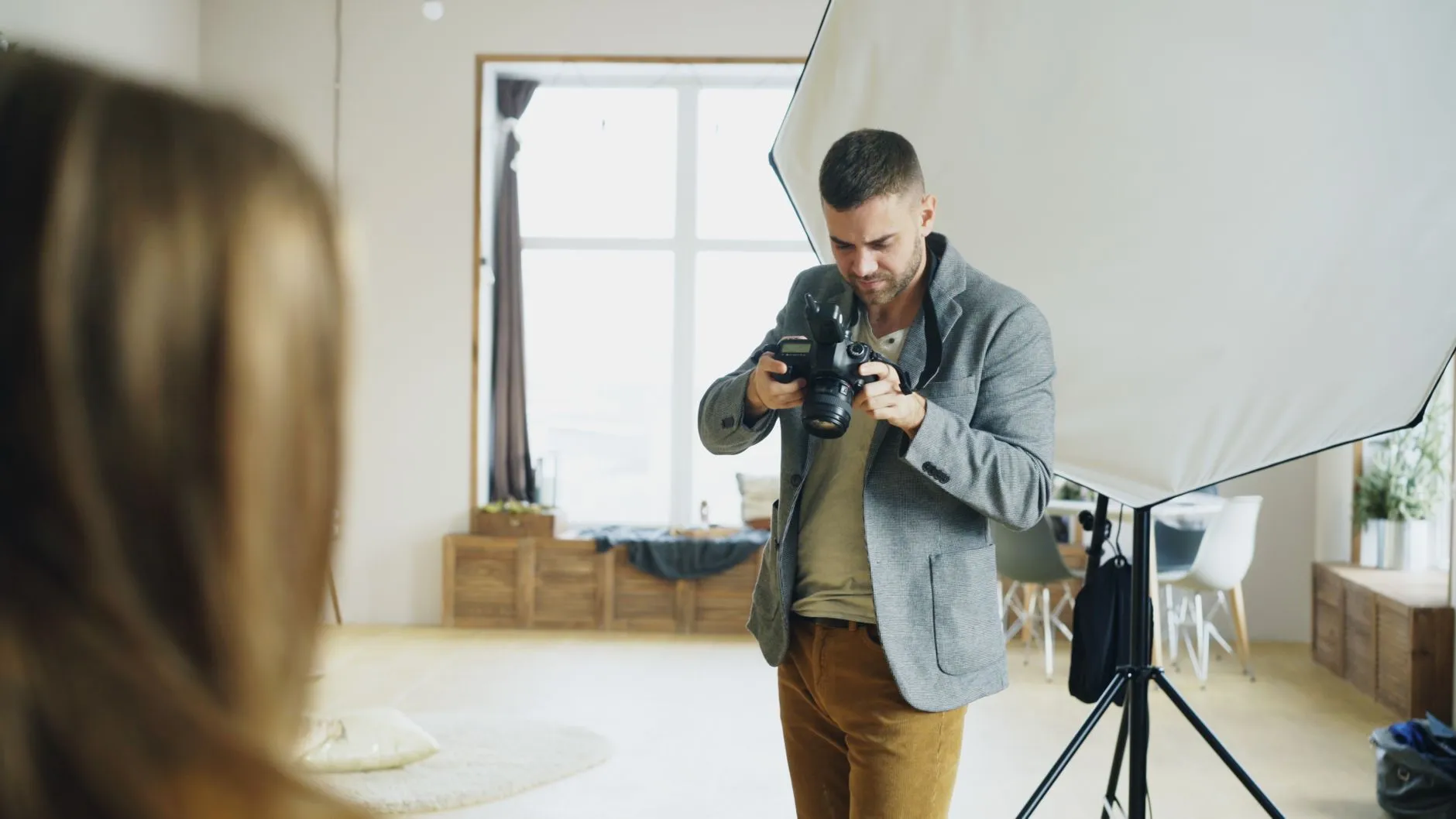
Player portraits should give each athlete a comfortable opportunity to be photographed in their club kit. Prepare the uniform, confirm any agreed equipment and explain what will happen in simple terms. The photographer can guide the session; players do not need to arrive with a rehearsed expression or a pose copied from a professional athlete.
For a club coordinator, the useful preparation is practical rather than technical. Make sure the player reaches the right session, their team information is correct and any preference has been communicated respectfully. Families should know how they will see the finished photographs and choose their products later.
Explain individual player photos before the day
Tell families whether the booking includes individual portraits as well as the team photograph. Explain the agreed location, arrival instruction and clothing. If optional sibling portraits or particular products are available, describe the actual arrangements rather than letting a general flyer imply everything is included.
Children may find an unfamiliar camera, lights or backdrop surprising. A short explanation can help: they will meet the photographer, stand or sit in an agreed position and be guided through the photograph. Avoid promises about an exact number of images or a fixed duration unless the studio has confirmed them.
Let families ask practical questions before the day. A player who needs a support person, seated option or extra explanation should not have to negotiate it publicly while a queue watches. Share only the information the photographer needs to offer an appropriate session.
Prepare kit without creating pressure
Check the club’s uniform instruction and have the chosen items ready. Include the correct top, any required socks and the agreed footwear. If players have home and away uniforms, the coordinator should state which one to bring. A photograph can otherwise become a record of several different instructions.
Allow time for changing in a suitable private area if needed. Bags and spare clothes should stay clear of the camera space and walking route. Do not expect the photographer to provide a changing room or to supervise players away from the club’s normal adult arrangements.
Avoid appearance rules that shame players. The goal is a respectful portrait, not a judgement about bodies, hairstyles or sporting ability. Families can attend to normal preparation without telling a child that an imperfect smile will spoil the photograph for everyone.
Agree equipment for sports portraits
A ball, bat, stick or other item can connect the portrait to the sport, but ask what is appropriate for the setup. Large equipment may need a separate place while the player joins a team photograph. A busy indoor venue also needs clear space around stands, lights and exits.
Do not practise swings, throws or tackles in the photography area. The photographer may suggest how an item can be held, but a portrait session is different from a training drill. Follow the club and venue rules, and choose an alternative where the pose or equipment is uncomfortable.
If a player uses personal adaptive equipment, discuss how they would like to be represented rather than assuming it should be hidden. Ask for their preference and the practical space needed. Only collect private details where they are genuinely required for the agreed arrangement.
Let athletes have a say
An athlete portrait can show confidence without forcing a particular expression. Some players prefer smiling; others feel more comfortable with a relaxed neutral look. Ask the photographer about the available approach and let the player respond to guidance in their own way.
Sport Integrity Australia recommends appropriate permission and, where possible, involving the child or young person in consent. If a child becomes distressed or declines a pose, pause and involve their responsible adult. The team’s timetable should not be used to pressure them into continuing.
For junior groups, keep the club’s supervision process clear. The player should know who is accompanying them and where to return afterwards. The photographer’s attention on taking the image does not replace the club’s responsibility for its players.
Link the right portrait to the right player
The studio needs a reliable way to connect photographs, names and team memberships. Follow the agreed registration and check-in instructions rather than improvising a different naming system on the day. A duplicate name or late team change is worth checking before it reaches the gallery.
If a family spots a mistake, send it through the studio support route. Avoid placing a child’s full details and photograph into a public social post to ask for help. A clear private message identifying the season and relevant issue is more useful than several unrelated messages to volunteers.
For Club Photo Day, FotoPal Sports supports the journey from photographed player to family gallery. The studio checks photographs before opening them for ordering. Some settings and access rules vary, so follow the instructions supplied for your own club.
Choose after seeing the available photographs
The intended service message is “Shoot today. Order tomorrow online with the app.” It means families can make choices online after the images have passed quality checks. It does not mean all print and digital products are offered or that physical orders arrive the next day.
Review the actual catalogue, prices and image previews. Where a digital download is offered, check the permitted use; where a print is offered, check the size and crop. An optional combined product may differ from a standalone portrait.
Read about player portrait sessions or enquire about your club photo day. Share the approximate player numbers, venue and preferred dates first, with any practical session requirements discussed through the appropriate adult contact.