
Photo day accessibility: plan the route and session
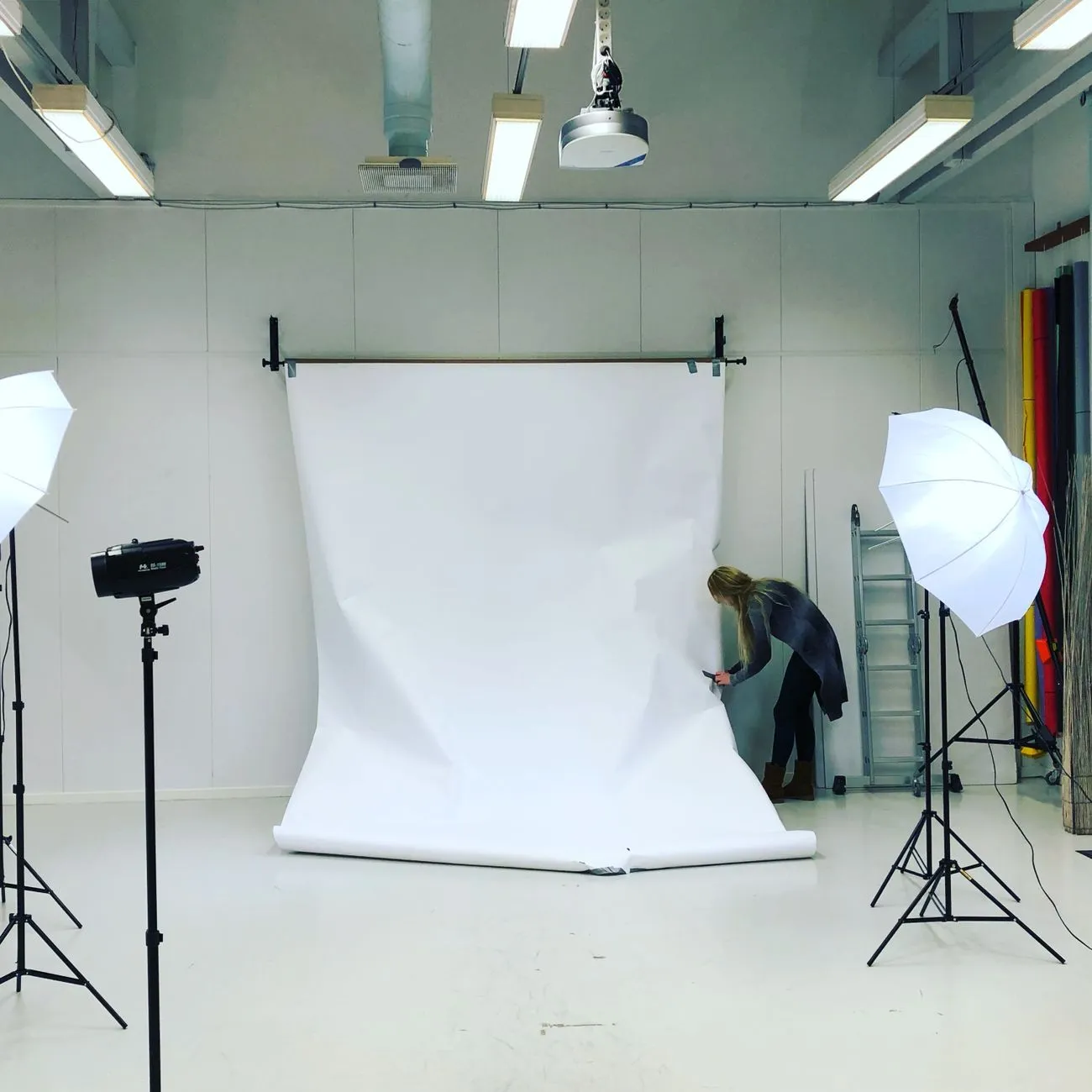
Photo day accessibility starts with asking what would make the visit workable, then checking the actual route, waiting area and session. A venue described as accessible may still have a step on the route to the booked room. Confirm the details with the venue contact and our team rather than relying on a label.
Families should have a private way to discuss practical preferences before the day. Ask about the arrangement needed, not a diagnosis or medical history. The useful information might be a seated option, a support person, clearer written instructions or a shorter period in a busy queue.
Walk the whole team photo venue route
Start where people actually arrive. Check the proposed meeting point, entrance and route to the photography space. An alternative entrance is only useful if families know where it is and somebody can open it at the agreed time.
Consider the return route too. A team may leave through a different door once photographed, or bags may accumulate in the waiting area. Ask the coordinator to keep the agreed route understandable throughout the session, not just during setup.
Do not promise universal access based on a quick description. If there is a step, narrow passage or other constraint, tell our team and the relevant family so an option can be discussed. Sometimes a different room or meeting point is more practical than trying to repair the plan at the camera.
Discuss inclusive team photography positions
Ask whether the player prefers to sit, stand or use their usual support or mobility equipment. Let the family and player describe what is comfortable. The photographer can then discuss how that fits the agreed group or individual format.
Avoid telling a player to remove equipment or change position merely to make a group look uniform. A team photograph should represent the people in it. If an arrangement needs more space or time, put that into the session planning rather than making it a public surprise.
For example, a hypothetical player might prefer an individual portrait seated beside a support person while the photographer explains the next step. That is an option to discuss, not a promise that every venue or format can provide the same arrangement. Ask what works for the person involved.
Make the queue and instructions easier to use
A family may need a precise arrival slot, somewhere to sit or an alternative to waiting in a crowded group. Ask the coordinator and our team what can be arranged. Avoid sending everyone to the camera early simply because one player has been offered a different arrival plan.
Use plain instructions that describe one action at a time. A team manager can explain where the team will wait, who calls it forward and where it goes afterwards. Written details can support that conversation, especially when the venue is unfamiliar.
Give the player time to ask questions and agree how they can request a pause. A support person may help interpret preferences, but keep the player involved where possible. The objective is participation on workable terms, not completing a pose at the expense of the person being photographed.
Allocate photo day volunteer roles carefully
One coordinator should receive the practical request and share only what the relevant people need. A marshal may need to know that a family will use a different meeting point; they do not need the family’s personal explanation. Keep sensitive notes out of the public timetable.
The venue contact checks access arrangements, while the photographer assesses the session setup. Team managers gather their groups and maintain the club’s normal supervision. Assign those jobs explicitly rather than assuming the photographer can also manage every venue or support issue.
A short handover can record:
- The agreed arrival point and person meeting the family.
- Any seating or position preference to discuss at the camera.
- The support person attending under the club’s arrangements.
- How the player asks to pause or stop.
- Who receives a changed plan on the day.
- Which information should remain private.
Use that as a practical prompt, not a form requiring disclosure. Ask permission before passing the relevant details to someone else, and confirm the family knows which adult will follow up.
Plan a choice if the original arrangement does not work
Even a thoughtful plan may need adjustment once the player sees the room or joins the group. Agree who can discuss a different sequence or a pause with our team. Do not assume another slot, callback or photograph is automatically available; ask before offering it.
Sport Integrity Australia’s guidance supports attention to children’s participation and appropriate photography practice. Use it alongside the club policy while keeping the specific arrangement centred on the person. Our sensory-friendly planning guide explores choices around noise, lighting and waiting.
When enquiring with our team, mention the venue and any practical access questions without sending health records. We can discuss the session and what needs checking. Confirm the actual arrangement with the family before the notice is final, and make sure the volunteer on duty receives the current version.