
Football team photos: plan squads, coaches and kit
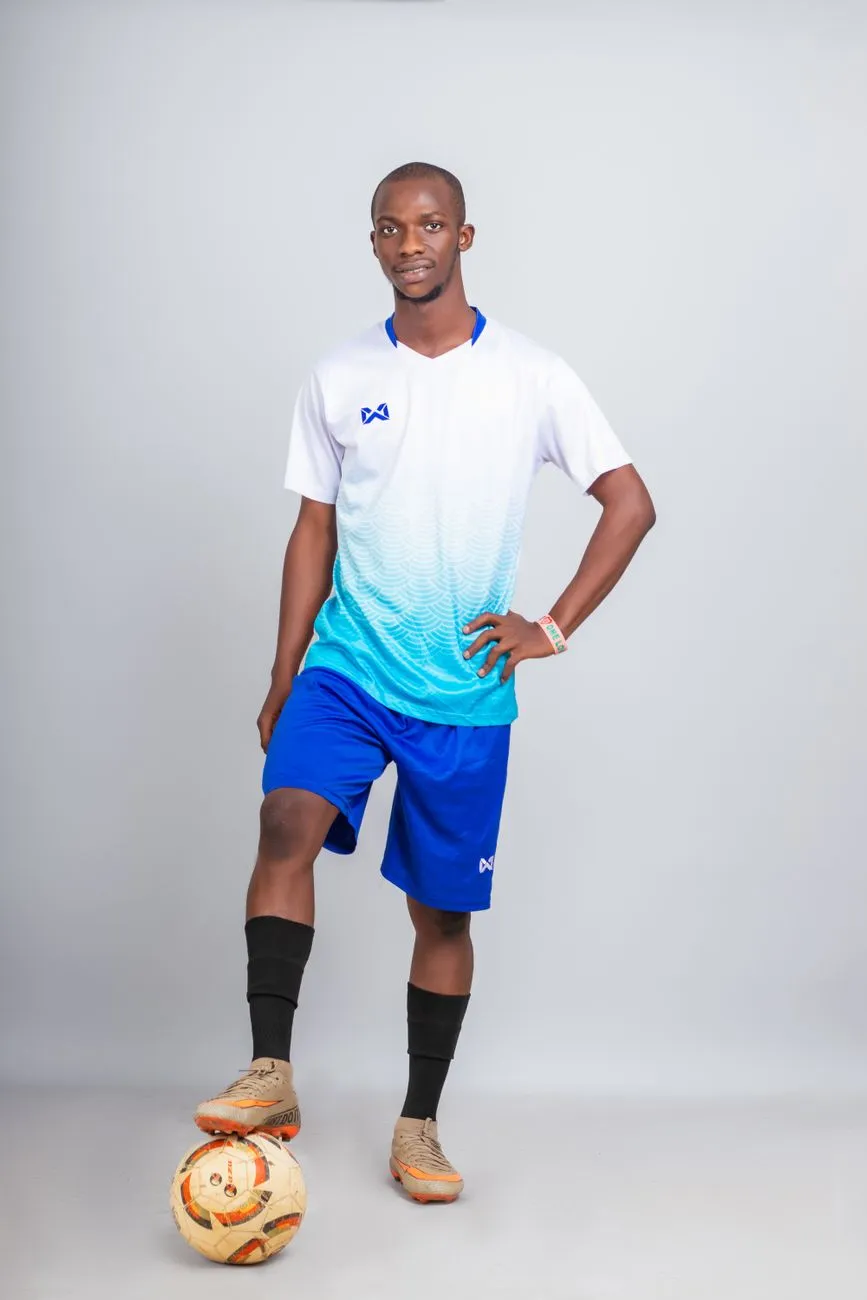
Football team photos create an official season record through staged team photographs and individual player portraits at one photo-day venue. Confirm the squad, coaches, kit and portrait format before assigning slots. The venue need not be an oval or football ground: the agreed backdrop and background-removal design provide the setting.
An organised photo day can sit alongside club activity, but it should have its own agreed space and handoff. Fixtures and training elsewhere can affect attendance at the dedicated portrait venue. A timetable that recognises those constraints is more useful than a promise that every group will take the same few minutes.
Define the squad and season record
Ask the club contact to confirm whether each photograph is for the season squad, a particular grade or another defined group. Record the competition or team label as the club wants it published. Do not assume a late-season playing side is the same as the season membership list.
Confirm coaches, assistants and managers as well. One person may appear in several photographs, so include them in the schedule check. Resolve any inclusion question through the club before the camera session; the photographer should not be expected to decide who belongs in an official team record.
Team photo names need the same care. Check preferred spellings, roles and the year against the approved roster. If names will be printed beneath rows of players, the person approving the proof should use the actual layout rather than trying to reconstruct it from memory.
Decide what football means for this booking
Tell the studio whether the club plays Australian rules, soccer or another football code. Search phrases and club language can be ambiguous. The code affects typical squad size, clothing, equipment and venue, but it does not justify guessing the club’s needs.
For AFL team photos, a club might need larger group arrangements and coaches across several junior grades. Discuss the actual numbers and chosen format with the photographer. For soccer-specific planning, see our soccer team photos guide, which covers goalkeeper kit and team scheduling.
A traditional group photograph requires the agreed people together. A composite created from individual portraits follows a different capture and approval process. Ask which approach is available and what happens if a player is absent. Do not promise a digital addition or callback session without the studio’s agreement.
Give team photo uniforms one clear instruction
State which authorised playing top, shorts, socks and footwear should be worn. If the club uses several guernseys or home and away options, choose the intended combination and communicate it once through the coordinator. Include officials’ clothing in that instruction.
Think about boots and the venue. The photo location might be a clubroom, covered area or indoor surface where normal ground footwear is unsuitable. Confirm the venue’s rules and tell families before they arrive. Players should not discover they need different shoes while their team is waiting.
Allow an appropriate private changing arrangement where required. Keep kit bags away from the photography route. The photographer’s equipment space is not a place for practice kicks, loose balls or running between groups.
Build the team photo schedule around fixtures
Check match times, warmups, training blocks and travel between grounds before assigning photography slots. If several teams share a coach or players, mark those connections on the draft timetable. Ask the photographer how much assembly and portrait time the agreed session requires.
Give each manager a clear arrival instruction, meeting point and contact if the team is delayed. “At the club” is not enough when the portrait room has a separate entrance or several venue users share the carpark. A marshal can bring the assembled group forward when the photographer is ready.
For junior teams, maintain the club’s usual supervision and permissions. Sport Integrity Australia advises appropriate permission, safe contexts and controlled image handling. Make any photography preference known discreetly through the coordinator; do not identify a child publicly as the reason a team is waiting.
Confirm the portrait station and access plan
Book a suitable room or agreed event space for the dedicated portrait setup. The club does not need an oval behind the team, and the photographer does not move between matches to make this season record. Discuss the backdrop, team grouping and available space before confirming the venue.
Check equipment access, a place for waiting groups and the opening and closing times. Include setup and pack-down in the room booking. If other activities use the facility, agree how teams reach the portrait station without disrupting those users.
Weather can still affect travel or access to the venue. Decide who contacts the photography team and sends any changed arrival instruction. An alternative room or date must be confirmed before being offered; a playing field is not the automatic fallback for a staged portrait station.
Explain FotoPal ordering to families
Club Photo Day’s intended workflow is “Shoot today. Order tomorrow online with the app.” FotoPal Sports allows online selection after the studio checks the photographs and opens the gallery. Family access and product choices follow the instructions for the club’s actual season.
That ordering message is separate from delivery of prints. Prices, enabled products, any correction process and delivery arrangements need to be clear in the actual service. Do not tell families that an optional digital product, fundraiser or free-club model is included unless it has been agreed.
Enquire about your football club’s photo day with the code, approximate teams and players, venue and preferred dates. Include shared coaches and fixture constraints so our team can discuss a workable scope.