
Cricket team photos: make club and grade lists work
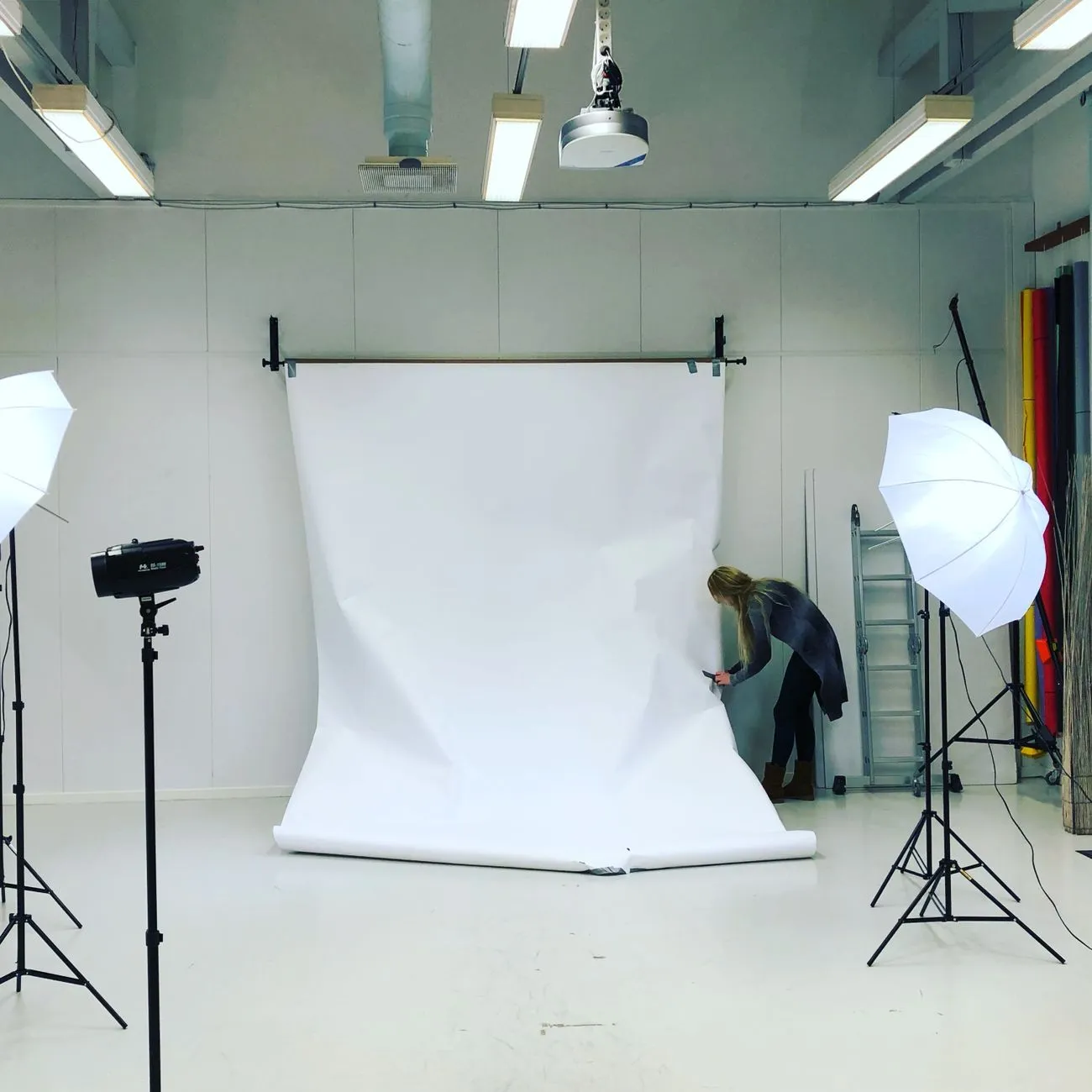
Cricket team photos create an official grade or squad record through staged team photographs and individual player portraits at one photo-day venue. Settle the season list, whites or coloured kit and any agreed equipment. The photograph uses the planned backdrop and background-removal presentation, rather than requiring a cricket ground or action at the crease.
Cricket clubs can have junior and senior groups, players moving between grades and different uniforms for different formats. Those details deserve a practical plan. Start with the actual teams and the desired photography style, then work with the photographer on the venue and timetable.
Set the team photo roster for each grade
Check team labels, season dates and the people included in each photograph. Ask whether the club wants the regular season squad or another defined group. A player who fills in occasionally may need a specific decision; the photographer should receive the approved answer rather than resolving it at the camera.
Include coaches, managers and other authorised officials in the roster check. An adult may support several teams even when the players do not overlap. Record those connections for scheduling, but keep personal contact details out of the information intended to appear on the finished photograph.
Where names are printed, confirm preferred spellings and role wording. A duplicate surname, initial or changed team membership can be easier to resolve before design work begins. One club approver should check the actual proof and consolidate corrections from managers.
Choose team photo uniforms before the notice
Tell players whether the photograph uses whites, coloured playing kit, training clothing or another club-authorised combination. Different formats may use different items. Families should not have to infer the choice from an old team photograph or a general instruction to wear “cricket gear”.
Decide what officials should wear and whether caps are part of the agreed look. Confirm the studio’s approach before asking players to bring equipment for portraits. A bat, pads or gloves might suit one planned image but not another, and additional preparation can affect the timetable.
Leave time for appropriate private changing where needed. Keep large kit bags away from the photography route and other club users. Spare equipment should have a waiting place rather than being piled beside stands or in an exit.
Discuss equipment without creating a practice area
If bats or balls are included, ask the photographer how they will be used in the agreed portraits. Carrying an item into position is different from swinging or throwing it. The photo area should not become a warmup space while another player is being photographed.
Goalkeeper-style assumptions from other sports do not help a cricket booking. Tell the studio about the specific equipment and clothing your players may bring, including a wicketkeeper’s kit where relevant. Do not assume every item is needed or that every player must pose in the same equipment.
Respect a player’s comfort and the club’s rules. A portrait can communicate the sport without requiring a complicated action pose. If an item or posture does not suit the player or space, discuss a simpler option with the photographer.
Build the timetable around actual commitments
Check match times, travel, training and other known club commitments. Junior players may have another sporting activity, while senior teams may finish matches at different times. The coordinator needs realistic availability rather than an assumption that all grades can attend together.
Mark shared players and coaches before assigning team slots. Confirm how assembly, photography and changeover will work for the chosen format. A traditional group requires the agreed people together; a composite process still needs correct membership, usable portraits and approval.
For example, a club might place two connected grades near each other because several people appear in both. That is an illustrative scheduling choice, not a fixed service promise. Check whether the arrangement actually fits matches and venue access before sending it to families.
Prepare a venue for staged cricket portraits
Choose a suitable room or agreed event space where the portrait station can remain in place through the booking. The team does not need to gather on a wicket or outfield for the background. Discuss the backdrop, group format and individual portraits with our team before announcing the location.
Confirm access, setup, pack-down and a waiting place for teams and equipment bags. Bats and protective kit should only enter the station as agreed for the portrait, rather than becoming an improvised training activity. Venue rules and the actual space determine the practical arrangement.
Matches and training elsewhere can affect arrival, but they do not turn the booking into match photography. Give families one portrait-venue meeting point and a contact for delays. Any weather-related venue closure or travel disruption needs a coordinated update, not an assumption that the session will move onto the ground.
Explain the FotoPal step after the shoot
Club Photo Day’s intended message is “Shoot today. Order tomorrow online with the app.” FotoPal Sports supports online family selection after the studio checks the images and opens the gallery. Physical print delivery is a separate stage with its own arrangements.
Families use their supplied registration and gallery instructions. Check the actual catalogue and prices rather than promising a particular bundle or digital team image. A question about access, a name correction or an order should use the studio’s support route.
Enquire about cricket team photography with the approximate grades, teams and players, your venue and preferred dates. Mention uniform formats, shared players and fixture constraints so our team can discuss a suitable plan with your coordinator.